

Inverness County Asylum Commemoration
Project Summary
Commemorating the former site, and graveyard, of the municipality-run Inverness County Asylum.
Background
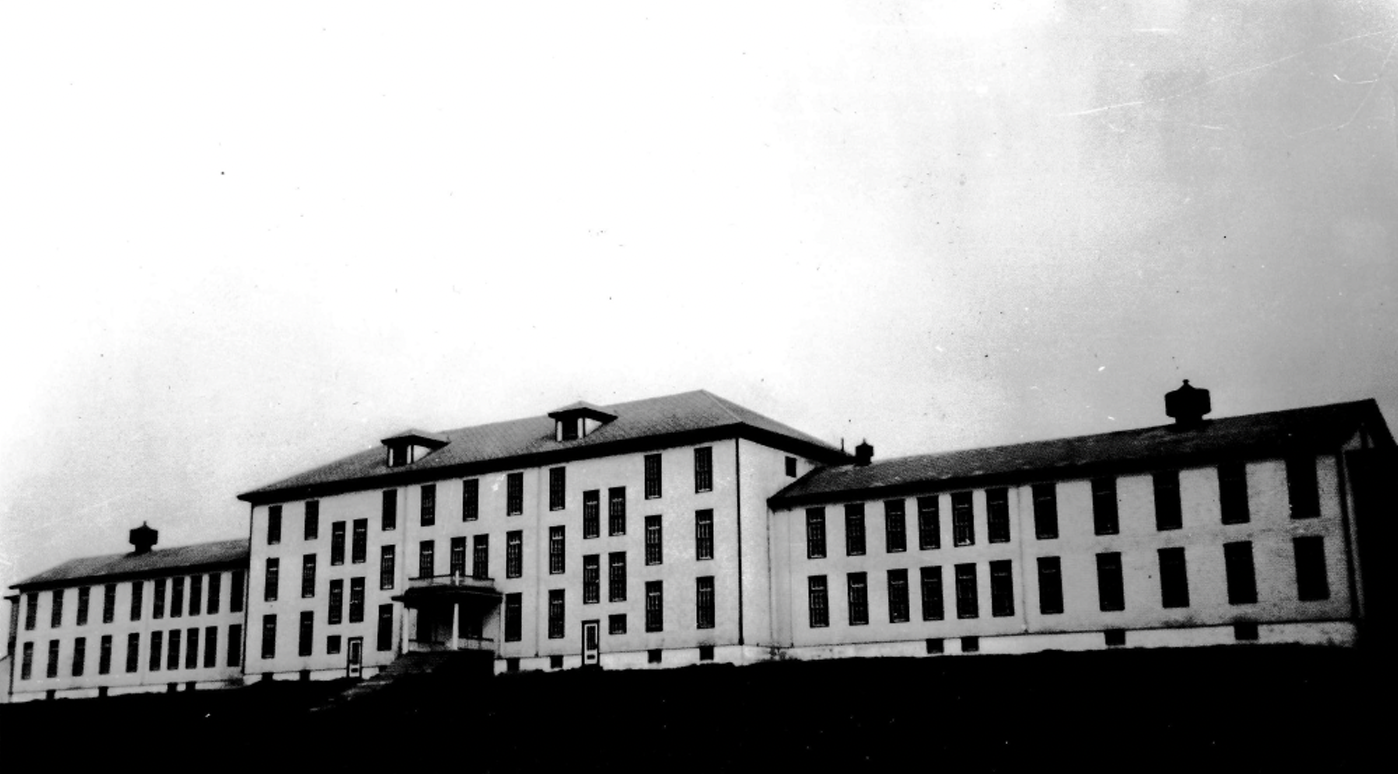
From 1889 to 1947 the Municipality of Inverness County, as required by provincial statute, operated an institution for individuals with intellectual disabilities, colloquially called the Inverness County Asylum. It was located on farmland just south of Mabou. From 1893 onward, Richmond and Victoria county also sent their “harmless insane” (as they were called at the time) to the facility, which was expanded several times to accommodate the more than 100 “inmates,” as of the late 1890s.
Conditions were often rough at the facility, with overcrowding and high rates of sickness and death. Before being destroyed by fire in 1947, more than 450 people are believed to have died at the facility during its lifespan. Of these, most were returned to their families for burial in their home communities, but at least 110 bodies remain buried in unmarked graves in the asylum graveyard, located near the former asylum site.
Society’s classification of the facility’s residents, their treatment and living conditions while in care, and the 110-plus unmarked graves are an ongoing injustice that has largely been forgotten by the community. Community advocates and the Municipality of Inverness County are seeking to correct this through a commemoration project.
Project Goal
The Inverness County Asylum’s legacy of poor living conditions for residents who were segregated from society for various reasons and the unmarked graves of more than 110 individuals is an ongoing injustice that has been largely forgotten and overlooked.
Pursue a multi-faceted approach based on six best practice areas, as well as ongoing policy work. With an aim to:
Publicly acknowledge and redress the historical injustice of the Inverness County Asylum by:
- Restoring dignity to those institutionalized,
- Fostering healing, dialogue, and awareness within the community, and
- Establishing a lasting and respectful presence that preserves memory, educates the public, and ensures long-term stewardship of the site.
Project Overview
The Inverness County Asylum Commemoration project will feature seven interconnected components:
- Truth-Telling and Acknowledgment: Official recognition of past injustices and public apologies from the governments responsible.
- Family, Community and Government Engagement: Inclusive processes that center the voices of survivors, descendants, and disability advocates.
- Public Memorialization: Permanent, respectful markers or monuments at the site and/or in accessible public spaces.
- Education and Storytelling: Digital and physical tools (websites, booklets, exhibits, interpretive signage) to share accurate history widely.
- Ceremony and Public Ritual: Unveiling events and ongoing traditions that support reflection, grief, and community remembrance.
- Funding and Stewardship: Sustainable approaches to financing, maintaining, and protecting the memorial over time.
- Municipal Legacy: Promote lasting change by using the project as a platform to advocate for disability rights, accessibility, inclusion, equity, and improved mental health services.
Project Status
Since 2024, the Muicipality has been working with community partners and neighbouring municipalities to initiate this project.